Field radio. What breaks first.
SCADA polls, alarm bursts, crew push-to-talk and video share one narrow field cell. Headroom estimates the hidden load per class from the counters the network already exports, with an interval, then says which class breaks first and at what load. 450 MHz, private LTE/5G, fibre-fed, satellite-backhauled.
Seven products. One engine.
Count. Break. Plan.
Count
What the counters say, turned into load per class with an interval.
Load · BudgetBreak
Where the mix fails under load, outage and reconnection.
Break · Poll · Storm · CarrierPlan
Poll intervals, class policy and site count, as proposals.
JamConstrained moving-horizon estimation of per-class load from aggregate counters, on a stochastic uplink and downlink scheduler
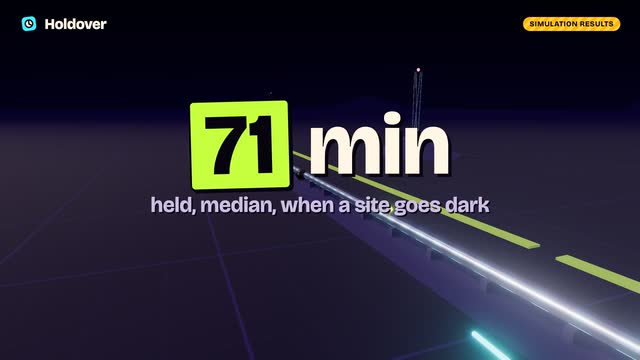
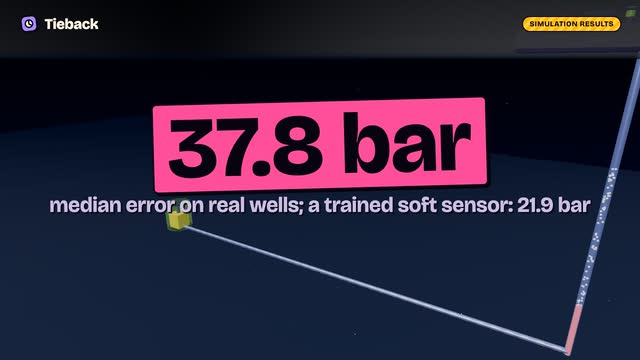
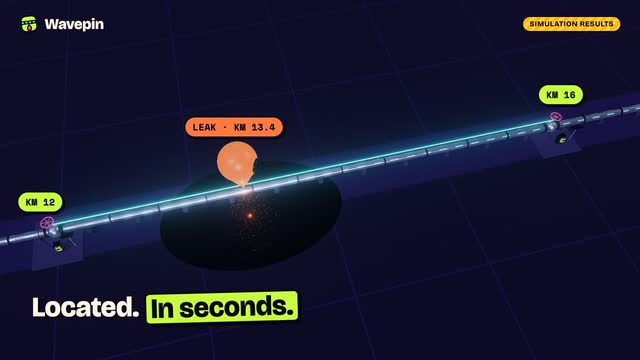
Wavepin and Holdover need telemetry. Headroom says whether the field network carries it, at what poll rate, through which outage.
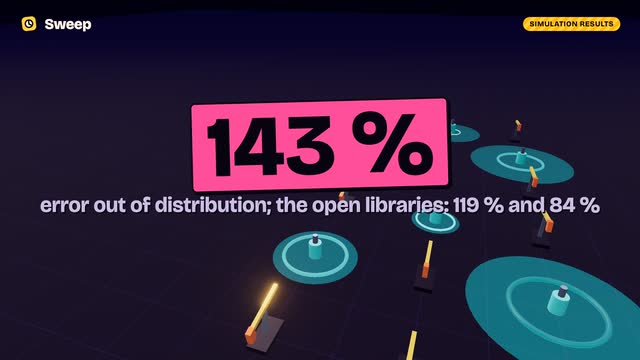
Tournament t001, 1500 held-out simulated field cells on five carriers (450 MHz 25 RB, private LTE, private 5G, satellite-backhauled; 15 RB held out). The bar and the result are on the proof page. All the numbers →
The whole story in 80 seconds
Built for the assets you run
Onshore oilfields
Private 450 MHz, hundreds of RTUs.
Gathering systems
Polls and alarm bursts on one cell.
Offshore platforms
Private LTE/5G, satellite backhaul.
Pipeline right-of-way
Telemetry along the corridor.
Shared networks
Utility-grade slices per tenant.
Replay one month of your counters.
Hidden load per class, the class that breaks first, and the storm after your last outage. Offline, read-only.